Dryer takes too long to dry
Nine times out of ten this is airflow, not a dying appliance. Here is the two-minute test that tells you which, before you spend money with anybody.
The test
Put the dryer on air fluff, the no-heat setting, and start it. Walk outside to the vent and put your hand near it.
Strong, steady air pushing out. Your duct is clear. A cleaning will not help you and the problem is inside the machine. Call an appliance repair tech, not us.
Weak air, or nothing at all. The duct is restricted. That is the whole thing we do, and it is $99.
Where the termination is on the roof and out of reach, there is an indoor alternative. Slide the machine out, take the duct off the back of it, and run a single load unconnected. Dry clothes in one cycle points squarely at the duct. Crack a window first, since you are putting lint and moisture into the room.
That test costs nothing and settles it in two minutes. Do it before you call anyone, us included.
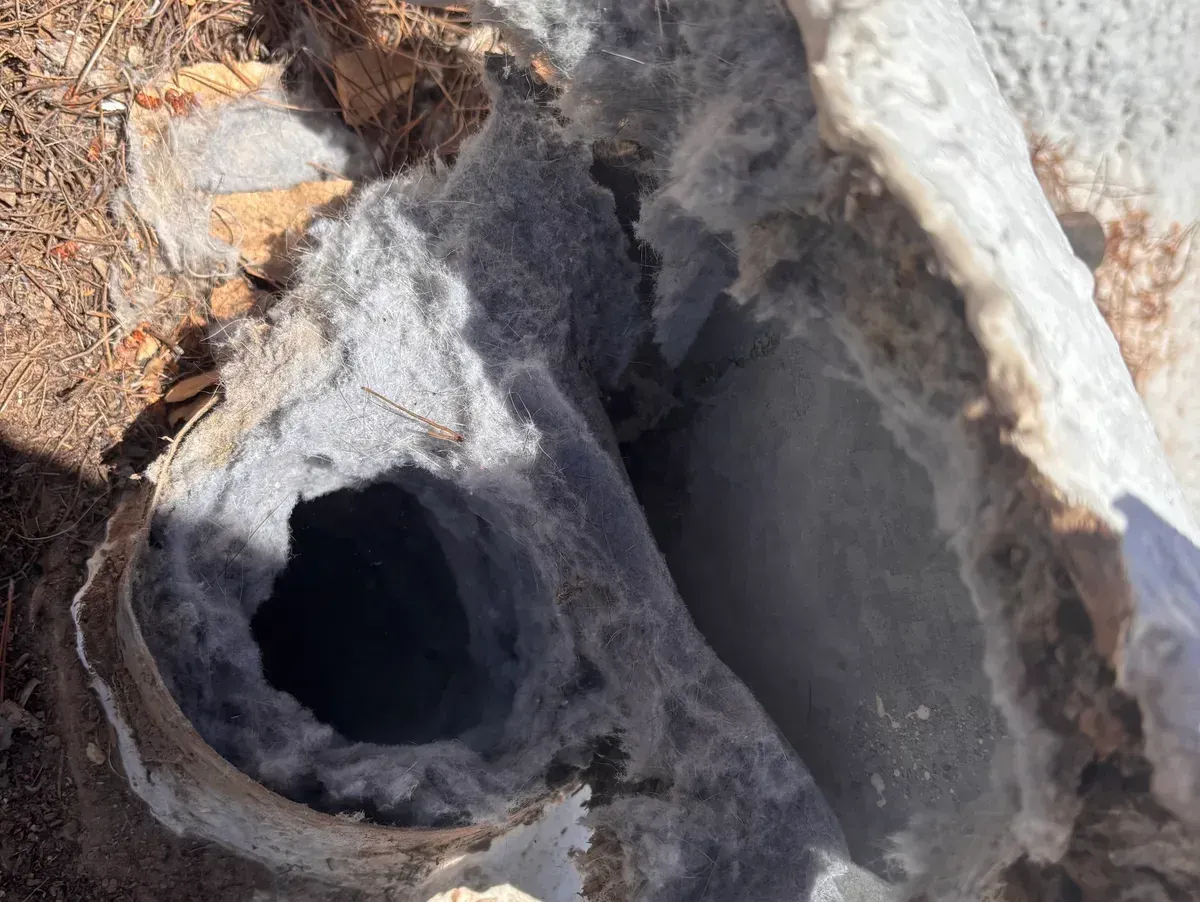
Is your dryer throwing an error code?
Start here, because this is the most reliable signal there is and almost nobody tells you about it.
If your dryer is throwing a code, 95% of the time it is the vent.
Modern dryers watch this closely. They track how long a cycle runs and how hot the exhaust gets, and once restricted airflow pushes those readings outside what the control board expects, the machine either posts a code or quits the cycle early. Manufacturers all label it differently. The underlying fault is identical every time: the air has nowhere to go.
The usual response to that code is booking an appliance technician, paying the callout, and being told the dryer is fine and the duct is packed. We hear this constantly. Before you spend anything having the appliance looked at, check the vent.
Older dryers do not have this. They just quietly run hot and take two cycles until something fails, which is why the neglect in west and central Mesa goes unnoticed for so long.
If it is the duct, what is in there?
Packed lint, most of the time
This accounts for most of our callouts. The decline is slow enough that households adapt to it unconsciously. A second cycle now and then becomes a second cycle usually, then always, and no single day exists where the thing obviously broke.
How long that takes depends entirely on where in Mesa you are. A two-story in Las Sendas with a thirty-five foot roof run can get there in three years. A single-story in Dobson Ranch might take fifteen. And in the older parts of town the honest answer is often "since the house was built."
A crushed transition hose
Two versions in Mesa. In the newer east side builds it is a tight-closet problem, where closing the bifold doors folds the hose flat. In the older homes it is an age problem, with original foil gone brittle and collapsed on its own. Either way it chokes airflow at the source. More on the newer version here.
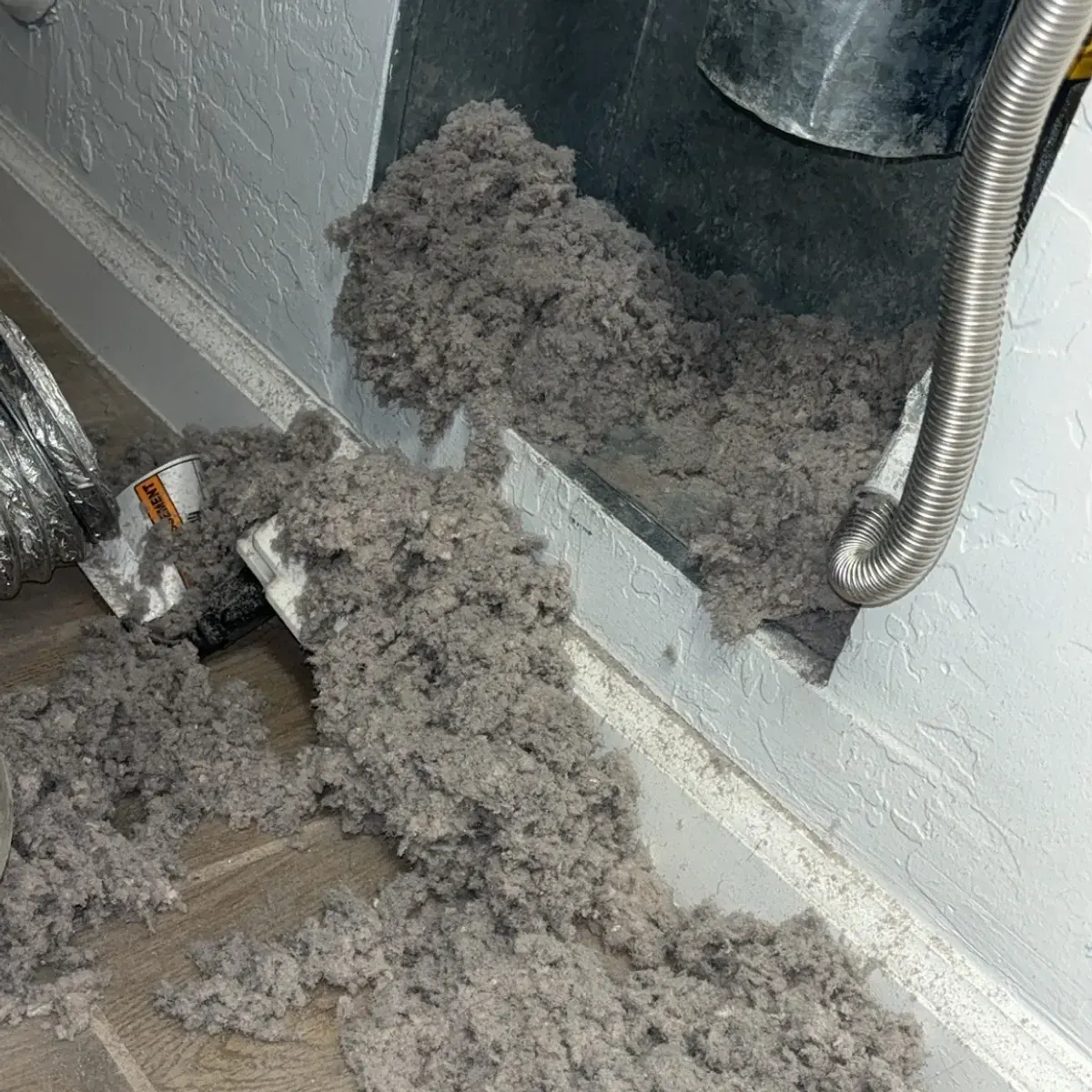
A nest in the roof cap
Sudden, not gradual. If your dryer was fine last month and is useless now, and it is February through May, look here first. Full page.
A duct that has separated
Common in older Mesa homes where joints were taped rather than fastened and the tape has had fifty years to give up. The dryer is now venting hot wet lint into the structure. You often smell it before you find it, and there may be a stain on drywall near the laundry.
The exterior flap stuck shut
Mesa has a lot of forty-year-old flappers that have been baking in direct sun since the Ford administration. They warp, they seize, they stop opening. Run the dryer and watch from outside whether the flap lifts. If it does not, that is your whole problem.
The lint trap housing
Rarely the sole cause but it stacks on everything else, and on a twenty-year-old machine it can be a real restriction on its own.
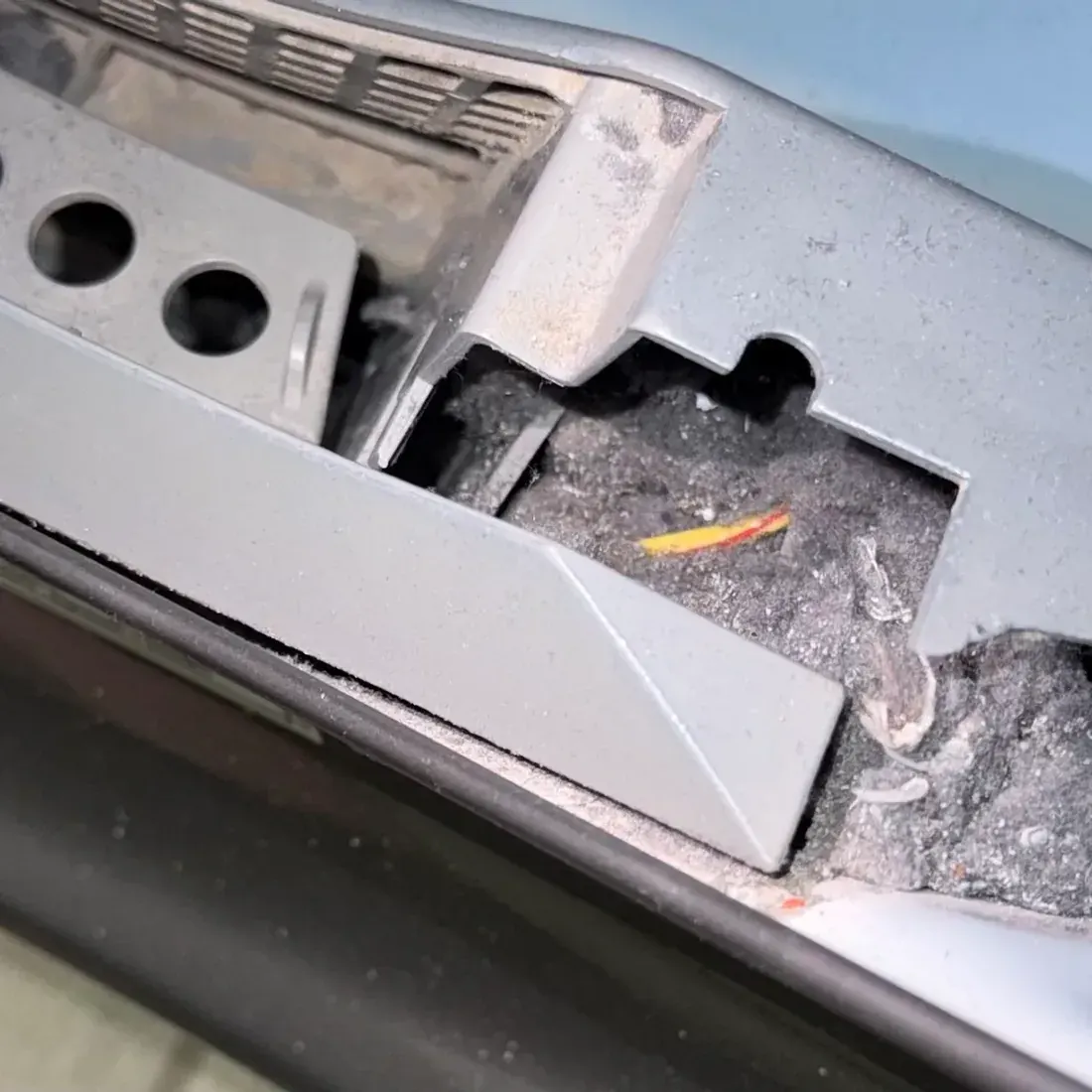
What it is doing to the appliance
The thermal fuse in your machine exists to cut power before things overheat, and a restricted duct has it intervening on a routine basis while the element runs well past its intended operating range. The appliance is straining on every load it does.
The result is that dryers die young, and the owner concludes they bought a bad one. Very often they bought a fine dryer and never cleaned the vent. A replacement runs eight hundred to fifteen hundred dollars. The cleaning is $99 every year or two.
Source: National Fire Protection Association, Home Fires Involving Clothes Dryers and Washing Machines.
We will tell you when it is not us
Worth saying plainly, since it is why the test sits at the top of this page rather than buried at the bottom.
If you call and it turns out your duct is clear, we are not going to clean it anyway and charge you $99. We will tell you it is the appliance and point you at somebody who fixes appliances. That costs us a job and it is still the right call, because the alternative is taking your money for work that changed nothing.
What we do about it
- Inspect the whole path. Hose, duct, elbows, termination.
- Brush the full run with a rotary brush, both ends where the run allows.
- Work it from inside as well, machine unplugged and pulled back, brushing down and vacuuming the lint up out of the wall.
- Reconnect, run it, show you the pile.
Common questions
Why does my dryer take two cycles to dry?
Almost always restricted airflow in the vent. Your dryer makes hot wet air and it has nowhere to go, so the moisture stays in the drum. Less often it is a failed heating element or thermostat inside the machine. The two-minute test on this page tells you which before you spend anything.
How can I tell if it is the vent or the dryer?
Run the dryer on air fluff and go feel the air at the exterior vent. Strong steady air means the duct is clear and the problem is the appliance. Weak or none means the duct is blocked. If your vent goes out the roof and you cannot reach it, disconnect the duct behind the dryer and run one load with the hose off. If it dries fine that way, the duct is your problem. Open a window if you do that.
Can a clogged vent break my dryer?
Yes, and in Mesa this matters more than most places because so many machines here are already old. The thermal fuse trips repeatedly, the heating element runs past its design conditions, and a dryer that should last twelve to fifteen years dies at six or seven. The owner concludes they bought a bad machine.
My dryer shuts off partway through. Is that the vent?
Often, yes. That is usually the thermal fuse cutting power because the machine is overheating, and a blocked vent is the most common reason. It can also be a failed thermostat, so run the airflow test first.
Is it worth cleaning the vent on a twenty-year-old dryer?
Usually more so, not less. Older machines have less margin. A $99 cleaning that buys two or three more years is a good trade against a replacement, and we have been in plenty of Mesa homes where the owner was days from buying a new dryer and did not need to.
What if the test says my duct is clear?
Then a cleaning will not help and we will tell you that rather than take your money. You want an appliance repair tech. We do not do appliance repair and nobody pays us for referrals, so that advice costs you nothing and is worth exactly what it should be.
Calls answered 7am to 8pm · same-day service usually available
$99 flat. If it turns out to be your appliance, we will tell you that instead of cleaning something that did not need it.